I write firmware that has flown in space.

Embedded · Flight software · Edge AI — Pune, India

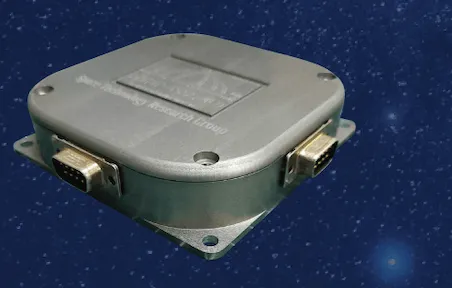
The STeRG-P1.0 flight unit, the payload this firmware flew on

The POEM-4 payload

FLOWN

Our student team put a payload on POEM-4 — the orbital platform on the spent fourth stage of ISRO’s PSLV‑C60, launched Dec 30, 2024. I wrote the attitude-determination firmware that flew on it.

0.91 attitude correlation
ComputeSTM32H7 · ARM Cortex-M7
RTOSFreeRTOS — deterministic state machine, ISR-safe queues
SensingMEMS IMU over I2C, register-level drivers
InterfacesUART telemetry · I2C sensor bus · RS-485 inter-board
QualificationEMI/EMC, vibration, thermal-vacuum, shock
PlatformPOEM-4 orbital platform, ISRO PSLV-C60 launch vehicle
Read the full story
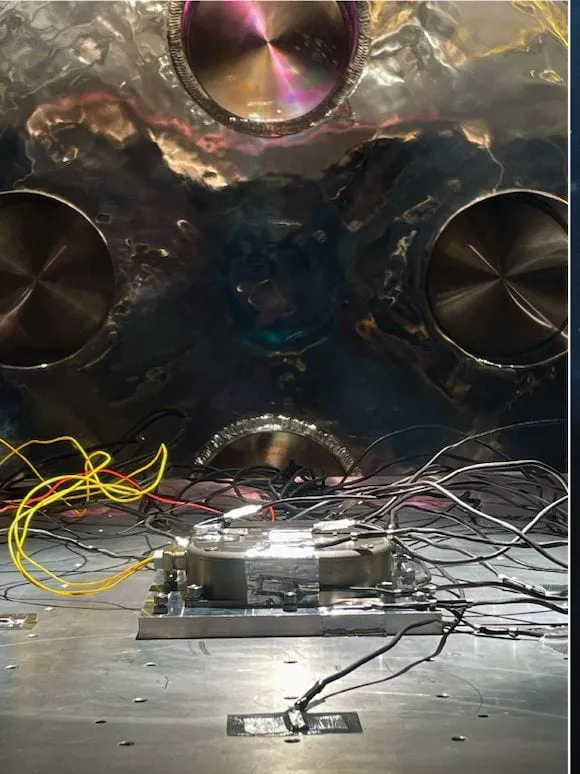
thermal-vacuum chamber, qualification campaign
thermal-vacuum chamber, qualification campaignTVAC
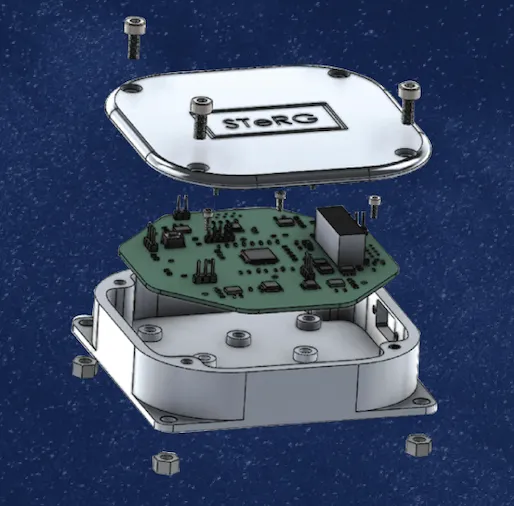
exploded CAD view of the payload assembly
exploded CAD view of the payload assemblyCAD
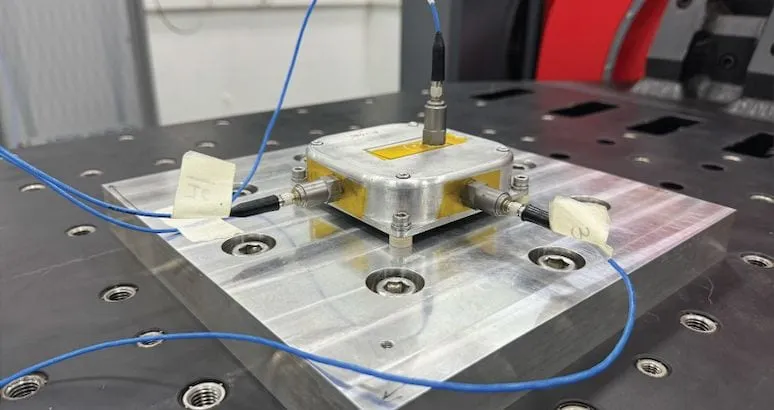
payload mounted on the shaker table for vibration testing
payload mounted on the shaker table for vibration testingVIBE

Project index

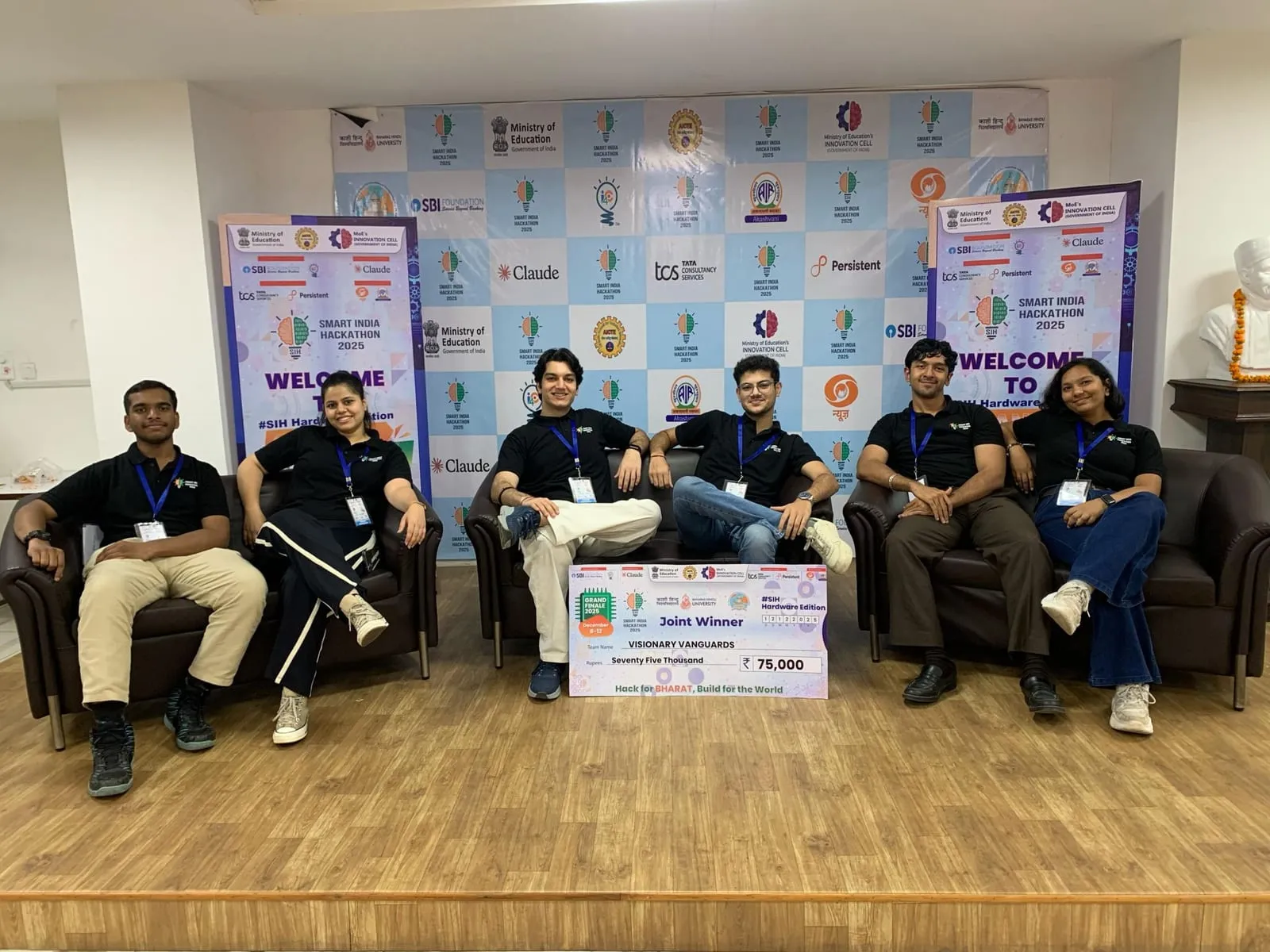
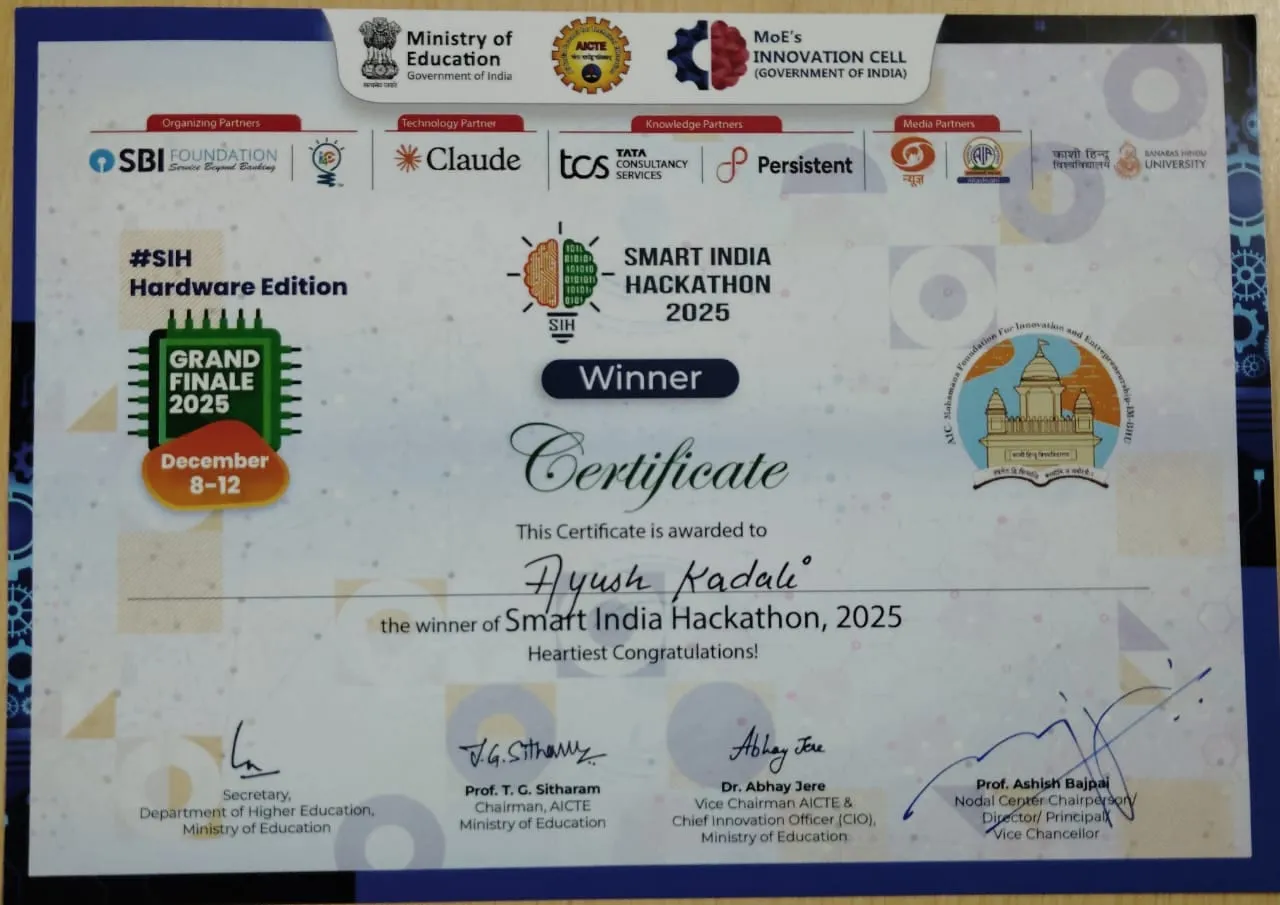
POEM-4 Payload Firmware FLOWN Attitude-determination firmware on our student payload, flown on the POEM-4 platform aboard ISRO's PSLV-C60 (Dec 30, 2024). STM32H7, FreeRTOS, 0.91 attitude correlation in orbit-representative testing. CubeSat Flight Software IN DEVELOPMENT Leading the software subsystem for MIT-WPU's first student-built CubeSat: NASA cFS on embedded Linux (STM32MP257 OBC) plus FreeRTOS and bare-metal subsystem boards. Targeting launch in 2027. CanSat & Model Rocketry Avionics EXCELLENT GRADE Software Lead for two IN-SPACe student competitions — a CanSat, and a model rocket carrying a second CanSat as its deployable payload — built on a shared dual-MCU avionics stack (3 of 4 PCBs common). SwarmOTA RESEARCH · IN PROGRESS A gossip-based peer-to-peer protocol for decentralized firmware-over-the-air updates across IoT microcontrollers — BitTorrent-style rarest-first chunk selection adapted for ESP32 and Pico W. Targeting a research paper. Marine Organism Detection NATIONAL WINNER Real-time marine organism classification from live microscopy video on a Raspberry Pi. National Winner, Smart India Hackathon 2025, Hardware Edition (Government of India). OpenEnv Firmware Debug Environment COMPLETED A reinforcement-learning environment where AI agents debug realistic firmware faults on a simulated ARM Cortex-M — five scenarios with register-level STM32 modeling and cascading failures. Q-Force CACC 1ST PLACE Hybrid classical + quantum-inspired graph ML system for cross-asset financial markets — MAPE cut from 7.8% to 4.9%, crash recall lifted from 68% to 82%. 1st place, CACC Coder's Arena 2025. Telemetry & Telecommand Stack COMPLETED Reusable C libraries for packet framing, CRC-16 integrity, and ACK/NACK reliability over XBee, GSM/4G, and LoRa — plus the Python ground-station tools to talk to them. ArduCAM Driver on STM32H7 COMPLETED An SPI camera driver written from scratch with DMA double-buffering, FatFS SD logging, and simultaneous UART streaming — frame timing validated on a logic analyzer.
Flight heritage — POEM-4 / PSLV-C60 · 2024National Winner — Smart India Hackathon 2025, Hardware Edition · 20253rd Place — Ciphathon CTF, national · 20261st Place — CACC Coder's Arena 2025 · 2025
Top 24 — SegFault Compiler Hackathon @ IICT 2025 — Sponsored by NVIDIA, Google, Qualcomm (2025)1st Prize — Pune city-level coding competition — Competitive programming (2024)IoT project recognition — 1st Prize, MIT-WPU IoT Exhibition (2023) and IET IoT Special Certificate (2024), same project (2023)Copyright registration — HEAL-ID — Healthcare identity system, Copyright Office, Government of India (2025)

Memory map

.text — strong

Embedded C: ISR design, volatile/concurrency correctness, register-level access, custom linker scripts · FreeRTOS: tasks, queues, mutexes, ISRs, timers, timing determinism · ARM targets: Cortex-M7/M4/M33, Cortex-A35 — STM32 (MP257, H7, F4, U5), ESP32, RP2040, Raspberry Pi · Peripherals & protocols: GPIO, ADC, timers, PWM, DMA, interrupts; UART, SPI, I2C, CAN, Ethernet, RS-485; XBee, LoRa, GSM/4G · Bring-up & debug: JTAG/SWD, ST-Link, GDB, logic analyzer, oscilloscope, multimeter · Sensor fusion: IMU, GPS, barometer · Python: ML, tooling, backend, test automation

.data — proficient

Embedded Linux: Yocto, U-Boot, device-tree, GCC ARM cross-compilation, sysfs userspace drivers · NASA cFS flight-software framework · Applied ML: GATs, Kalman/particle filters, GARCH, variational quantum circuits, OpenCV, RL environment design, edge inference on ARM · Backend/data: FastAPI, AsyncIO, MySQL, real-time streaming · C++, Bash, Make, CMake, Git/GitHub

.ext — familiar

Distributed-systems concepts: gossip protocols, P2P chunk distribution (SwarmOTA) · Reading LLVM IR; compiler interest · Linux kernel architecture (working understanding)

linker map convention: sections placed at true proficiency

About

I’m a Computer Science (AI & Data Science) student at MIT-WPU Pune, class of 2027, and the Software Subsystem Lead at STeRG, our student space technology group, where I lead 7–10 engineers building flight software.

I got here bottom-up: started in core computer science, got pulled into hardware, then firmware, then embedded Linux, and now I keep finding myself curious about the layers underneath — kernels, compilers, the machinery everything else stands on. The work I’m proudest of is firmware I wrote that flew on the POEM-4 platform aboard ISRO’s PSLV-C60, and the CubeSat flight software my team is building now on NASA cFS.

Outside the lab it’s space, Formula 1, and an unreasonable interest in AI and neural chips. I’m looking for an embedded, semiconductor, or edge-AI internship or industry-semester role starting July 2026.

Establish link

Looking for an embedded / semiconductor / edge-AI team to build with. Industry-semester internship from July 2026 — or just talk shop.

QR code linking to this site
met me at a conference? scan to keep the link